Preventing Gym Floor Gear Contamination
Last Updated: October 31, 2026
Quick Summary
Preventing gym floor gear contamination means keeping bags, bottles, and towels off the floor and wiping anything that touches it before it goes back in your bag. Wipe shared equipment before and after every set, and separate clean clothes from dirty gear in sealed compartments.
Wipe handles, benches, and controls before and after each set, and let disinfectant stay wet for its stated contact time.
Never set your bag on the rubber floor; hang it on a rack or hook, or keep it on a wiped bench.
Wash socks after every use in cool water and air dry them; wipe straps and belts with a damp cloth.
Treat wet areas, locker rooms, shared mats, and free-weight zones as the highest-risk floor zones.
Keep shoes in a separate compartment and store the bag open at home so it dries fully.
Table of Contents
Why the Gym Floor Is the Dirtiest Place for Your Gear
Here is the uncomfortable truth about preventing gym floor gear contamination: the floor is almost always the filthiest surface in the building. At HYPE Fit Gear, we watch lifters set bags down mid-set, drop straps on the rubber, then wipe their face with the same hand. That loop is how grime ends up on your skin.
Your bag, towel, and bottle become carriers the moment they touch that surface.
What Actually Lives on Gym Floors
Gym floors generally collect sweat, skin cells, dirt from street shoes, and moisture from spilled bottles.
High-traffic zones near racks and benches get the worst of it. Shared surfaces like benches and handles pick up whatever the last person left behind.
How Contamination Travels From Floor to Hands to Face
The path is simple. Your bag touches the floor. Your hand grabs the bag strap. That hand then touches your bottle, your phone, or your face.
Cross-contamination happens fast, and most people never notice it. A common mistake is setting gear down "just for a second" between sets. That second is enough.
How to Clean Gym Equipment Before and After Every Set
Wipe down shared equipment before you touch it and again when you finish. That two-step habit is the core of how to clean gym equipment without slowing your session.
Most people wipe after use and skip the "before." That order leaves you touching whatever the last person left behind.
The Wipe-Down Sequence That Works
Follow this order every time you move to a new station:
Grab a disinfectant wipe before you sit or grip
Wipe handles, benches, and any control buttons first
Wipe again after your set, then bin the wipe
Let the surface stay wet for the product's stated contact time
Sanitize your hands before touching your bottle or phone
What most guides miss is contact time. Disinfectant needs to sit wet to work. A quick swipe and dry-off does far less than people assume.
Watch out: using bleach or ammonia on padded benches and rubber can break down the material and leave a slippery surface. Stick to an equipment-safe cleaner.
Separating Clean and Dirty Gym Clothes in a Bag
The fix for separating clean and dirty gym clothes in a bag is a simple rule: dirty gear never shares space with clean gear. One compartment for fresh clothes, one for used. No mixing.
Most gym bags fail here. They have one big open space, so sweaty socks end up against your clean shirt.
Look for a bag with a dedicated dirty section or a separate wet pouch. If you want a closer look at compartment layouts and packing tips, see our guide to the best gym bag for powerlifting gear and the Snap Training Bag.
A quick checklist before you buy:
At least one sealed compartment for used clothes
A wipeable lining
A spot to clip a bottle so it never hits the floor
Cleaning Workout Gear After Use: Bottles, Straps, and Socks
Cleaning workout gear after use means washing the soft items and wiping the hard ones.
Socks trap the most sweat and bacteria. Wash them after each use in cool water, then air dry.
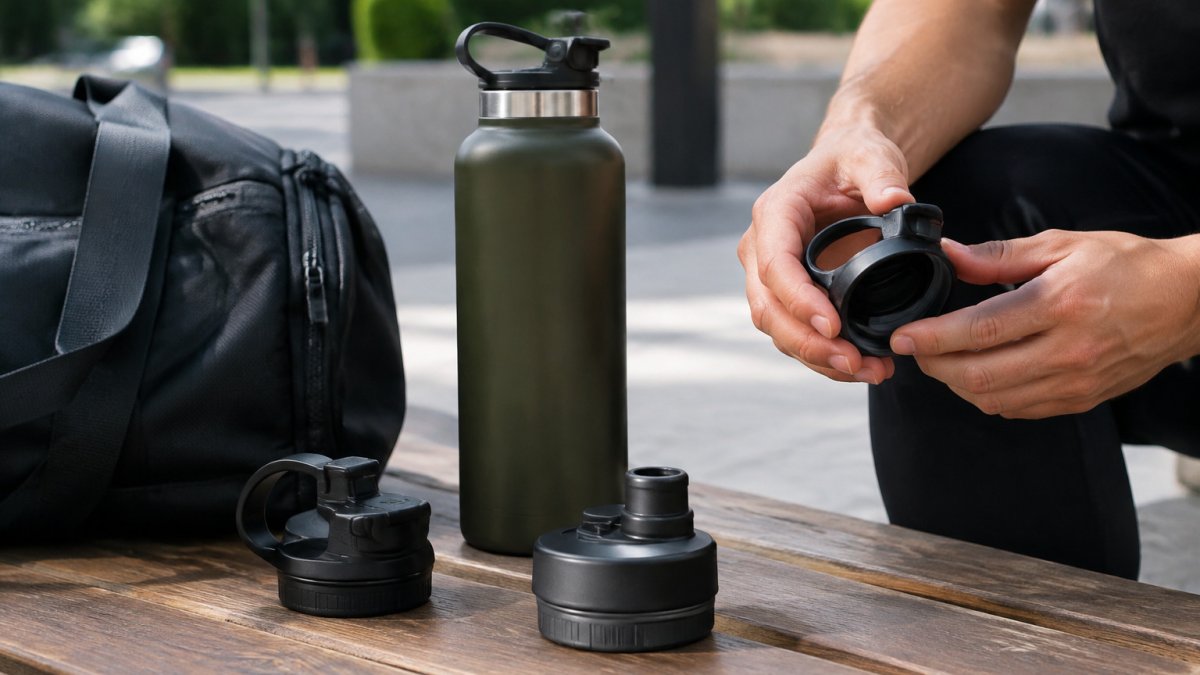
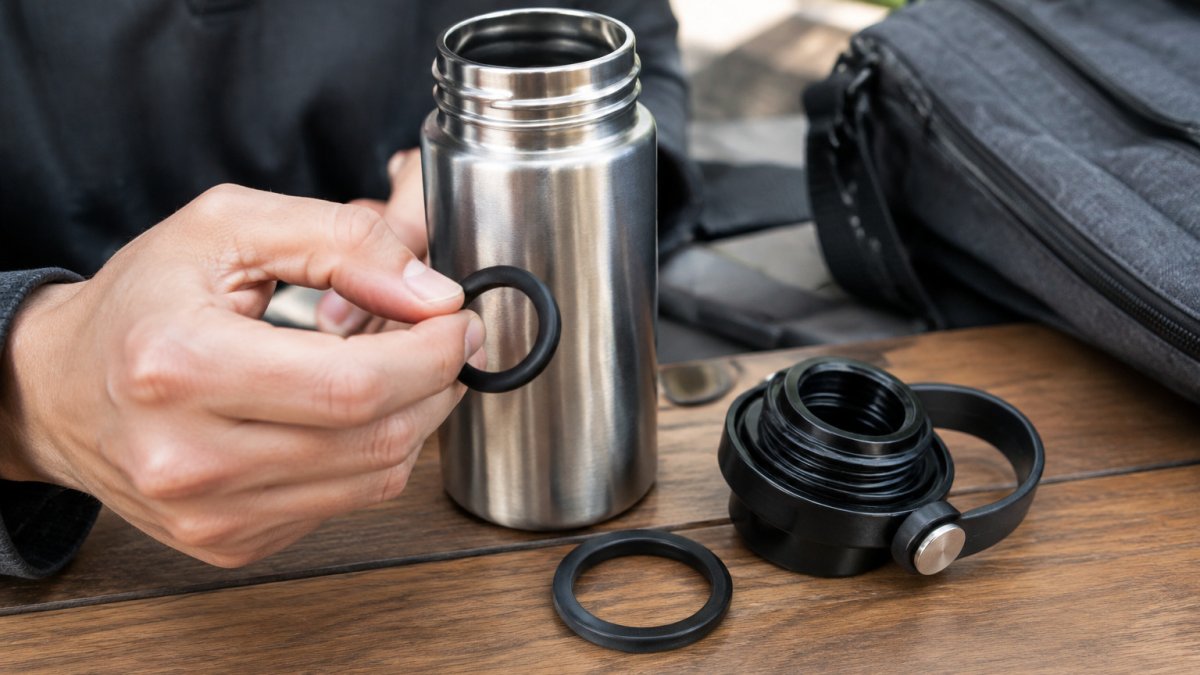
Bottles are the sneaky one. Our guide on how to prevent leaking water bottles in your bag walks through the three-step test.
The Sole Attacks socks feel great through heavy lifting and high-intensity sessions.
Gym Floor Cleaning and Maintenance: What Members and Staff Should Do
Gym floor cleaning and maintenance is a shared job, but the useful version of that statement is more specific than most gyms make it. Staff own the floor schedule and the cleaning stations. Members own their footprint, wiping equipment and keeping gear off the ground. The gap most facilities leave is that neither side has a clear picture of which floor zones carry the most risk and which habits actually interrupt the floor-to-gear path.
Where Floor Contamination Actually Comes From
It helps to separate what you can see from what you can't. Visible dirt and sweat are the obvious layer: street shoes tracking in grit, spilled bottle water, chalk dust, and sweat drips around racks and benches.
A common pattern in busy gyms is that risk clusters in a few predictable zones:
Wet areas, around water fountains, bottle-fill stations, and locker room thresholds, where moisture keeps contaminants mobile
Locker room floors and benches, high foot traffic, bare feet, and damp towels
Shared mats and stretching areas, direct skin contact with a surface many people use
None of this is a reason to panic. It is a reason to prioritize. A floor that is swept and mopped on a schedule, with extra attention to wet zones and shared mats, does more for gear contamination than an occasional deep clean of the whole room.
What Staff Should Own
A workable staff checklist looks like this:
Post a cleaning schedule that names high-touch checks (handles, benches, machine controls) and floor cycles (sweep daily, mop on a set rotation, deep clean on a longer interval)
Place cleaning stations where members actually finish a set, near racks, benches, and machine rows, not only at the front desk
Keep disinfectant wipes stocked and bins emptied so members don't skip the wipe because the station is empty
What Members Should Own
Members can't control the schedule, but they can control their footprint:
Wipe equipment before and after use, and let the surface stay wet for the product's contact time
Keep bags, bottles, and towels off the floor, hang, clip, or bench them
Report spills and visibly soiled areas instead of stepping around them
Key Takeaway The floor is not uniformly dirty. Treat wet areas, locker rooms, shared mats, and the free-weight zone as higher-risk, and put your cleaning effort and gear discipline where the risk actually concentrates.
A posted schedule plus stocked stations plus member habits is the accountability loop. When one piece is missing, no wipes, no schedule, no reporting path, the loop breaks and gear contamination climbs.
A Clean-to-Dirty Workflow for Every Gym Session
A clean-to-dirty workflow is a set order you follow so gear moves from clean to dirty and never back again. Set it once, then repeat it every session.

Step 1: Arrive With a Plan for Your Gear
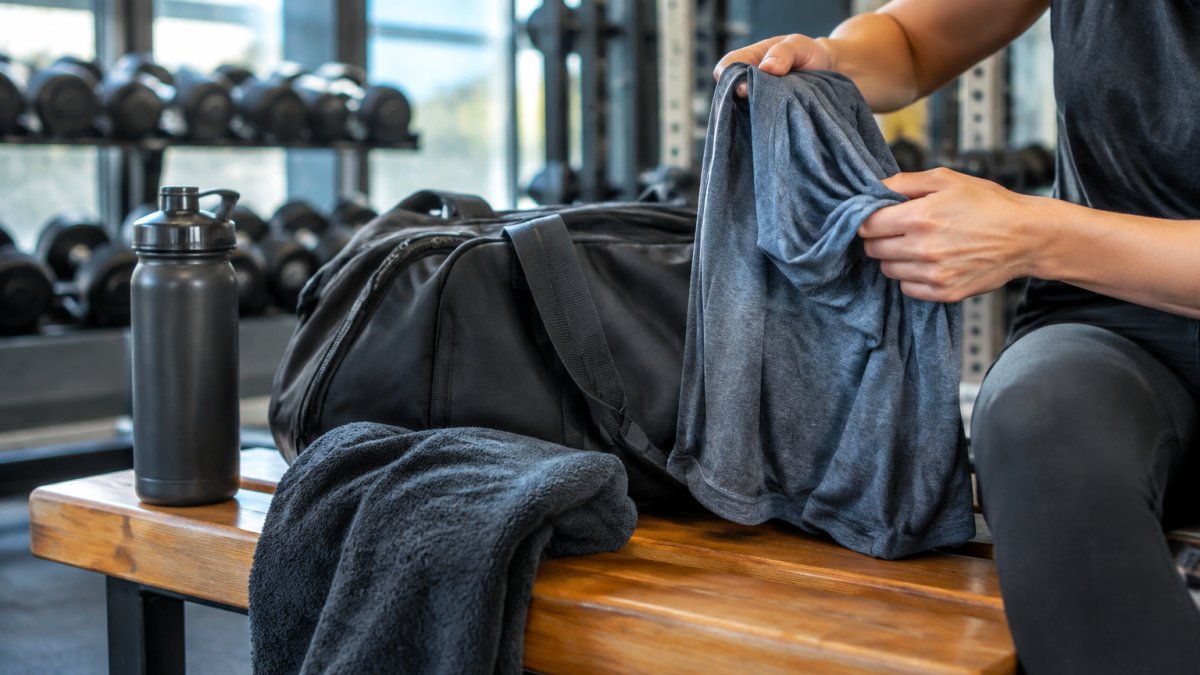
Decide where your bag, bottle, and towel will live before you walk in. Clip the bottle to the bag. Keep the towel on the bench, not the floor. If your bag has a closed main compartment and a separate dirty section, pack so the clean items are on top and the dirty section is empty and ready.
For more organization tips, see how do you keep gym essentials organized.
Step 2: Move Through the Gym Without Touching the Floor
Hang your bag on a rack or hook. Never set it on the rubber. If there is no hook, keep it on a bench you have wiped. The same rule applies to straps, belts, and portable equipment: if it goes on the floor, it is now dirty, and it does not go back in the clean compartment until it has been wiped.
Step 3: Handle Gear After Floor Contact
This is the step most people skip. If a strap, belt, or bag strap touches the floor, treat it as contaminated until cleaned:
Wipe hard items (straps, belt buckles, bottle exteriors, bag linings) with a damp cloth or equipment-safe wipe
Keep floor-touched items out of the clean compartment, use the dirty section or a separate pouch
Wash your hands or use sanitizer after handling floor-touched gear and before touching your bottle, phone, or face
Step 4: Pack Up Without Cross-Contamination
Pack in a fixed order so dirty never crosses clean:
Used clothes and socks go straight into the dirty compartment, not rolled into the clean section
Wipe straps and belt before they go back in the bag
Bottle goes in its clip or sealed pocket, never loose against clean clothes
Sanitize your hands last, after the bag is closed
Step 5: Store and Transport Between Sessions
Contamination does not stop at the gym door. A few habits carry the workflow home:
Keep shoes in a separate compartment or bag so street grit does not migrate onto clean gear
Empty and air out the dirty compartment after each session rather than leaving damp clothes sealed inside
Wipe the bag lining on a regular cycle, and wash soft compartments if the manufacturer allows
Pro Tip A simple test for any packing order: if you had to reach into the bag blind, could you tell clean from dirty by feel alone? If not, the compartments aren't doing their job.
The workflow only works if it is repeatable. Pick the order once, keep the dirty section empty at the start of every session, and let the bag's layout enforce the rule instead of relying on memory mid-workout.
Follow this fixed order every session so gear moves from clean to dirty and never back again.
Step | What to do |
Step 1: Arrive | Decide where bag, bottle, and towel will live; clip bottle to bag |
Step 2: Move through gym | Hang bag on rack or hook; never set it on the rubber |
Step 3: After floor contact | Wipe hard items; keep floor-touched items out of clean compartment |
Step 4: Pack up | Used clothes into dirty compartment; wipe straps and belt |
Step 5: Store and transport | Keep shoes separate; air out dirty compartment; store bag open |
Choosing Gear That Keeps Your Stuff Off the Floor
The best defense against floor contamination is gear that never touches the floor. A bag that clips to a machine solves the problem at the source.
The Snap Training Bag attaches securely to gym machines, so your phone, keys, and wallet stay off the ground. Customers notice the difference.
The SnapFlask features a built-in mounting angle for recording lifts. Sarah K. called the mounting angle "rock-solid."
Bundle options are available for cost savings. For broader hygiene guidance, the CDC guidance on cleaning and disinfecting surfaces is a solid reference, and the WHO hand hygiene guidance covers the handwashing side.
Frequently Asked Questions
How do you prevent gym equipment from spreading germs?
Wipe down handles, benches, and controls before and after every use with a disinfectant wipe, and let the surface stay wet for the product's stated contact time. Keep your own towel on benches and mats, and never set your bag or bottle on the gym floor. If your gym provides spray bottles, use the correct cleaner for the surface rather than a generic all-purpose product that leaves residue.
Should you wipe down gym equipment before or after use?
Do both. Wiping before use removes whatever the last person left behind, and wiping after use protects the next person. A single wipe-down after your set is not enough if the bench was already dirty when you arrived. Carry your own disinfectant wipes so you are not dependent on a dispenser that may be empty, and give the surface time to air-dry before you sit or lie on it.
How often should gym equipment be cleaned?
Shared equipment should be wiped by each user before and after every session, and gym staff should deep clean high-touch areas such as handles, benches, and machine controls at least daily. Rubber flooring needs sweeping and damp mopping regularly to remove sweat, dirt, and grime that collect in the texture. If your gym smells stale or the floors feel tacky, that is a sign the cleaning frequency is not keeping up with traffic.
How can you keep dirty workout clothes and gear separate from clean items?
Use a bag with a dedicated compartment for used clothes, or a separate wet bag for sweaty items. Never put worn clothes back in the same pocket as your clean towel, wrist wraps, or lifting belt. At home, empty the dirty compartment straight into the wash and wipe down the inside of the bag before your next session. This separation is the simplest way to stop cross-contamination between clean and dirty gear.
Floor grime is a choice you can opt out of. Keep your gear off the ground, wipe before and after, and separate clean from dirty. HYPE Fit Gear builds gear for exactly this: the Snap Training Bag attaches to machines to keep essentials off the floor, the SnapFlask gives a stable recording angle, and bundle options keep it simple. Get started with HYPE Fit Gear and train without dragging the floor home with you.
Comments