How to Keep Gym Clothes Clean and Smell-Free
Last Updated: November 4, 2026
Quick Summary
To keep gym clothes clean, wash them inside-out on a cold, gentle cycle and skip fabric softener, which traps odor. Pre-soak synthetics in white vinegar, then baking soda in separate steps, and air dry instead of using high heat.
Synthetic fibers bond to sweat oils, feeding odor-causing bacteria that regular washing may not remove.
Soak gear 30 minutes in one cup white vinegar, rinse, then 30 minutes in half a cup baking soda.
Never mix vinegar and baking soda in the same soak because they neutralize each other.
Wash synthetics separately from cotton towels, which shed lint into the fibers.
Air dry activewear, since high dryer heat breaks down elastic fibers and bakes in odor.
Table of Contents
Why Gym Clothes Hold Smell and How to Break the Cycle
Synthetic gym clothes trap odor because polyester and spandex fibers are oleophilic: they bond to the oils in your sweat instead of releasing them in the wash.
The cycle is predictable: you sweat hard, wash the shirt on a normal cycle, and pull it out smelling faintly of the same sweat. Most people blame their detergent; the real culprit is the fiber itself.
The Bacteria Behind the Smell
Odor-causing bacteria are the microorganisms that feed on sweat residue and dead skin cells trapped in fabric, producing the compounds you smell as funk.
That distinction matters. A cotton tee washed once is usually clean.
Where does the contamination come from beyond your own body? Our guide to preventing gym floor gear contamination explains how that transfer happens and how to interrupt it.
Post-Workout Immediate Care
The highest-impact habit is also the least glamorous: get sweaty gear out of your bag fast. Bacteria multiply fastest in the warm, damp environment inside a closed gym bag, so a shirt left there overnight can start the cycle before it reaches your washer.
Here is what we recommend the moment you finish training:
Hang damp gear on a hook or the outside of your bag rather than stuffing it into a compartment
Turn socks and shirts inside-out so air reaches the skin-side fibers
Never leave wet gear in a car or locker for more than a few hours
If you cannot wash immediately, air-dry fully before it goes into the hamper
That last point surprises people. Dry gear in the hamper smells far less than damp gear sealed in a bag, and bacteria get far less time to establish a colony.
How to Remove Sweat Smell from Synthetic Fabrics
Removing sweat smell from synthetic fabrics requires breaking the oil bond that regular detergent alone cannot shift. Polyester, spandex, and elastane need a chemical assist to release the sebum and body oils trapped in their fibers. The method below works on moisture-wicking activewear, compression gear, and microfiber without damaging the fabric.
The Vinegar and Baking Soda Pre-Soak
A pre-soak is the difference between a shirt that smells neutral and one that smells neutral for a week.
Fill a basin or bucket with cold water
Add one cup of white vinegar and let the garment soak for 30 minutes
Rinse, then add a half cup of baking soda to fresh cold water and soak another 30 minutes
Run a normal cold wash cycle afterward
Watch out: never mix vinegar and baking soda in the same soak, since they neutralize each other on contact. Keep the two steps separate.
For stubborn odor, repeat the vinegar soak before washing rather than increasing detergent, which leaves residue that attracts more bacteria.
Washing Gym Clothes Inside-Out on a Cold Cycle
Turning gym clothes inside-out before washing is the most overlooked step in the entire routine.
A cold water cycle is generally gentler on the elasticity of spandex and elastane and helps reduce shrinkage in compression gear.
A few rules we follow for every load:
Wash synthetics separately from cotton towels, which shed lint into the fibers
Use a mesh laundry bag for socks and small items so they do not tangle
Choose a gentle cycle with a full rinse cycle to flush detergent residue
Skip the overload; crowded drums reduce agitation and leave soil behind
Sorting by fabric type matters as much as the temperature setting. Mixing heavy cotton with lightweight activewear means one fabric gets under-washed while the other takes unnecessary wear.
Choosing Detergent and Skipping Fabric Softener
Fabric softener is the enemy of every piece of technical activewear you own. It coats fibers in a waxy film that blocks breathability, traps odor, and destroys the moisture-wicking performance you paid for. Skip it entirely on synthetics, even the "sport" versions, and skip dryer sheets too.
What most guides miss is that "activewear detergent" is not a single category. The right choice depends on the fabric blend and the type of contamination you are fighting.
Match the Detergent to the Fabric
Moisture-wicking polyester benefits from enzyme-based liquid detergents. Protease enzymes break down the protein components of sweat and skin cells, while lipase enzymes target the sebum oils that polyester holds so tightly.
Compression gear and spandex/elastane blends are more sensitive. Harsh surfactants and high-alkaline detergents can degrade elastane over time, reducing stretch and recovery.
Microfiber towels and accessories trap oils in their dense weave and need a detergent that rinses clean.
Why Detergent Quantity Matters More Than Brand
Use the amount on the label for a normal load, not a "little extra for good measure." Excess detergent can leave residue that becomes a food source for bacteria.
Watch out: never pour liquid detergent directly onto synthetic fabrics in the drum. It can leave a concentrated residue that attracts odor. Use the dispenser drawer or a detergent pod placed at the back of the drum.
The Vinegar Rinse Alternative
For athletes who prefer to avoid commercial enzyme detergents, a half-cup of white vinegar in the rinse cycle (not the wash cycle) helps strip detergent residue and soften fabrics without leaving a scent. It is not a substitute for detergent on heavily soiled gear, but it is a useful maintenance step for gear that already smells neutral.
If hard water is an issue where you live, see the water quality section below before you blame your detergent.
How to Prevent Leaking Water Bottles in Your Bag
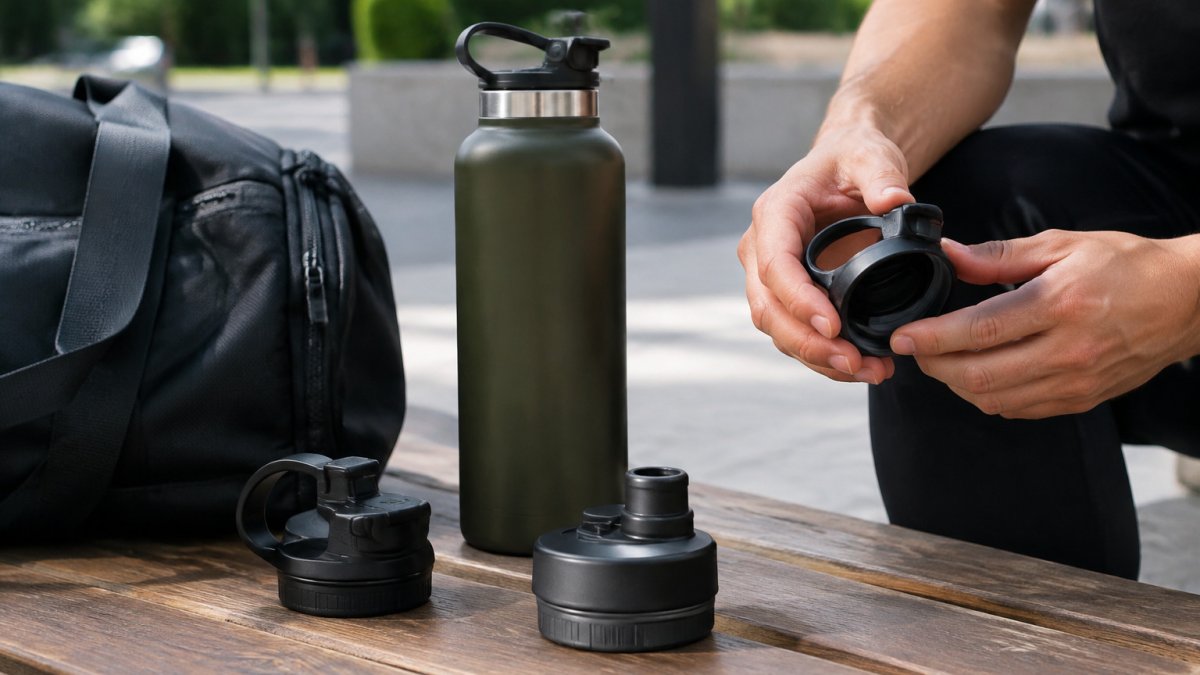
Preventing leaking water bottles in your bag comes down to seal integrity and placement, and it matters because a leak soaks your clean clothes and feeds the bacteria problem you are trying to solve.
Run this three-step leak test before every session:
Fill the bottle, seal it, and shake it hard over a sink
Invert it and check the cap and seal for drips
Store it upright in a dedicated compartment, never loose beside clothing
For the full method, including how to check seals and pack your bag so a leak never reaches your gear, see our guide on how to prevent leaking water bottles in your bag.
Gym Bag Hygiene Best Practices
Gym bag hygiene best practices are the habits that keep a bag from becoming a reservoir of bacteria, moisture, and odor between washes.
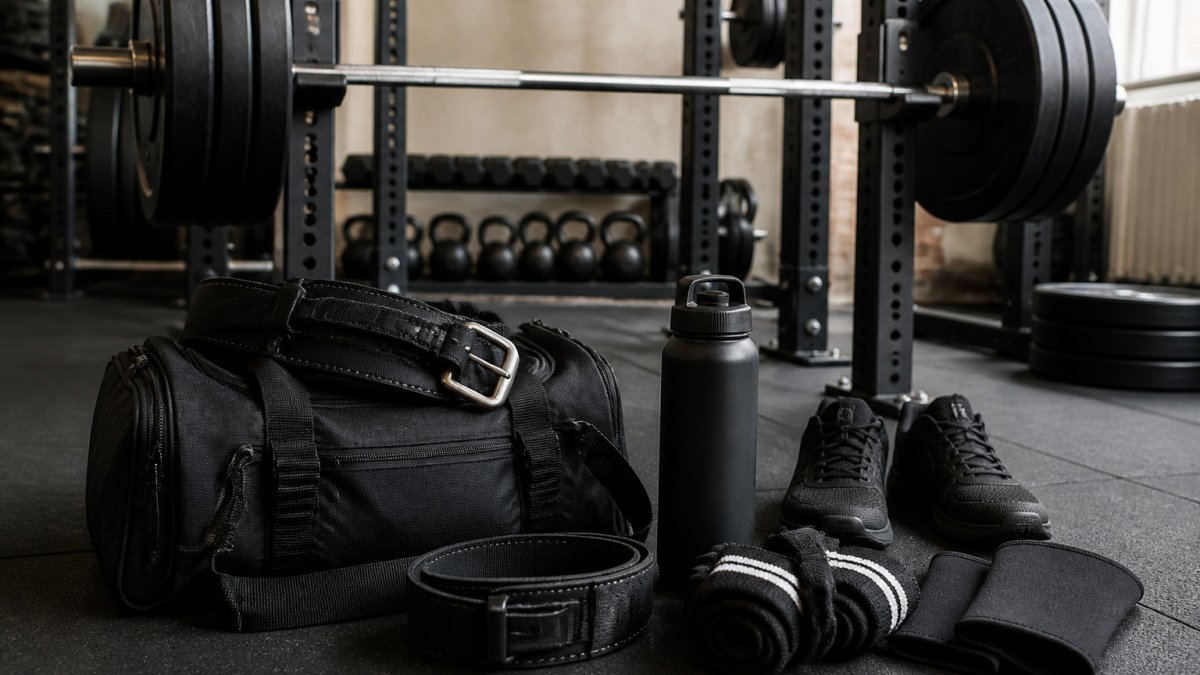
Wipe the interior down weekly with a disinfecting cloth, empty it completely after every session, and let it air out open rather than zipped shut. Our Snap Training Bag is built to keep personal items off the floor and organize gear into dedicated spaces.

For more on organizing and separating clean and dirty essentials, our article on how to keep gym essentials organized covers the full system.
Hard Water vs. Soft Water Impact
Hard water changes how well your detergent works, and most people never consider it when troubleshooting persistent odor.
The effect is cumulative. A shirt washed repeatedly in hard water develops a mineral film that traps odor compounds even after the bacteria are killed.
Here is how to tell whether hard water is part of your problem:
White, chalky spots on dark activewear after washing
Soap that does not lather well in the sink or shower
A metallic or flat taste to tap water
Persistent odor that returns within hours of a wash
If you suspect hard water, use a detergent formulated for it, add a water softener to the wash, or extend the rinse cycle.
The Bag Itself Needs a Wash Schedule
Most athletes never wash their gym bag, which means it accumulates the same oils and bacteria as their clothes. A fabric bag should go through a gentle cold cycle every two to four weeks, inside-out with the straps secured in a mesh bag. Wipe non-washable bags with a disinfecting cloth and let them dry completely open before reloading. A bag that smells neutral when you open it is the sign that the whole system is working.
Drying Methods That Protect High-Tech Fabrics
Air drying is the safest method for moisture-wicking activewear, compression gear, and anything with elastane.
Hang garments in a well-ventilated space, ideally with airflow on both sides. Avoid direct intense sunlight for extended periods, which fades colors and degrades technical finishes.
Here is how the drying options compare:
Method | Best For | Odor Risk | Fabric Impact |
Air dry on a rack | All synthetics, compression gear | Low | Minimal |
Tumble dry low | Cotton blends, quick turnaround | Medium | Moderate |
Tumble dry high | Not recommended for activewear | High | High |
Radiator or heater | Never for technical fabrics | High | Severe |
Our SoleAttacks Training Socks are designed to feel great through heavy lifting and high-intensity sessions, and air drying is a gentle way to care for technical fabrics.
Build a Laundry Routine That Keeps Your Gear Ready
Consistency beats intensity here. A simple weekly routine, air out after every session, pre-soak the synthetics, wash inside-out on cold, skip the softener, and air dry, will keep your gear smelling neutral and performing the way it should.
Air damp gear immediately after training, never seal it in the bag
Sort synthetics away from cotton before washing
Pre-soak odor-prone items in vinegar, then baking soda, separately
Wash inside-out on a cold, gentle cycle with a full rinse
Skip fabric softener entirely on activewear
Air dry, or tumble dry low if you must
Wipe down the gym bag weekly and let it air out open
The gear you train in deserves the same attention you give your programming. HYPE Fit Gear offers performance accessories for athletes who take their training seriously, including the Snap Training Bag, which keeps your essentials off the floor, and the SnapFlask, which features a built-in mounting angle for recording lifts.
Frequently Asked Questions
Should you wash gym clothes after every workout?
Yes for anything worn against the skin during a sweaty session. Sweat-wicking synthetics like polyester and spandex trap odor-causing bacteria in the fibers within hours, and that smell sets in permanently if the garment sits in a bag overnight. If you did a light mobility session and barely sweat, airing the piece out and wearing it once more is reasonable. For HIIT, lifting, or Hyrox training, wash after every use.
How do you get the smell out of gym clothes that already stink?
Soak the garment in cold water with half a cup of white vinegar for 30 minutes before washing. Vinegar breaks down the bacteria film that regular detergent leaves behind in synthetic fibers. For stubborn odor, add half a cup of baking soda to the wash cycle instead of fabric softener. Skip the dryer until the smell is gone, because heat locks odor into polyester and elastane permanently.
How can I stop my water bottle from leaking in my gym bag?
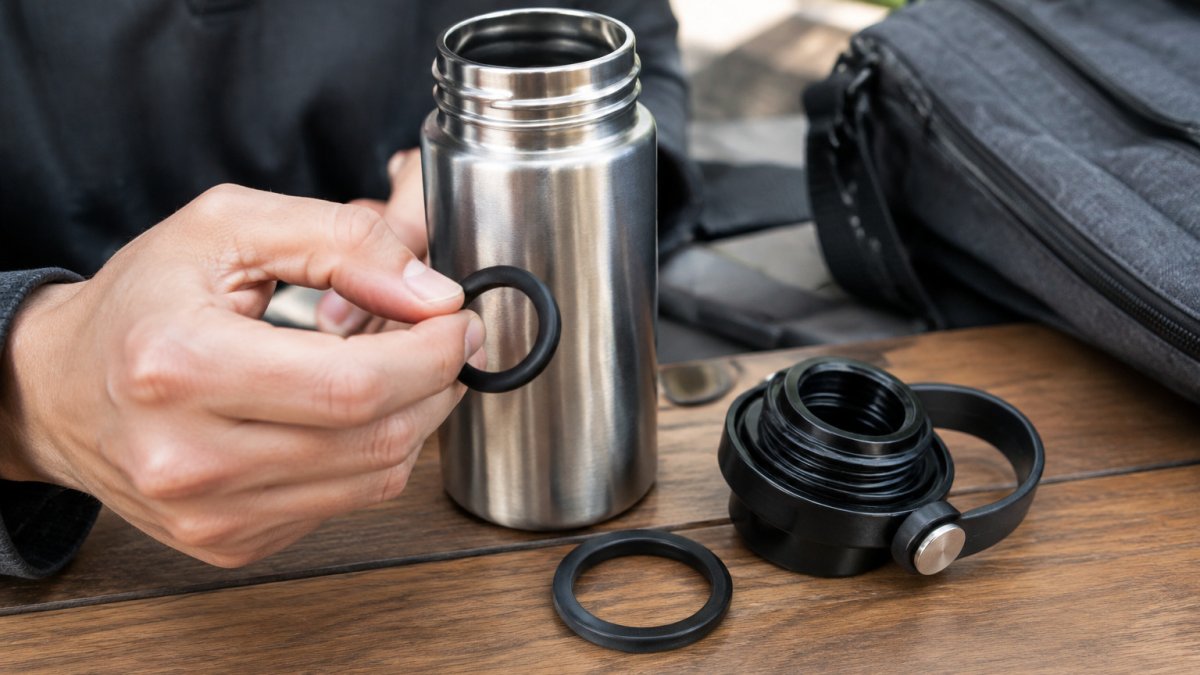
Check the gasket seal first, since a worn or missing gasket is the most common cause of leaks. Store the bottle upright in a dedicated pocket rather than loose next to your clothes, and never toss it in with damp towels. A bag with separate compartments keeps the bottle off the floor and away from your clean gear. The Snap Training Bag is designed to keep personal items off the gym floor. Replace gaskets at the first sign of cracking.
How do you prevent mold and bacteria in your gym bag?
Empty the bag completely after every session and wipe the interior with a damp cloth and mild soap, then let it air dry fully open. Never put damp clothes or towels back in. Airing the bag out weekly and storing it somewhere dry rather than a humid car or locker prevents the moisture buildup mold needs. Wash removable liners or pouches according to the care label.
Comments