Where to Put Phone During Workout: 7 Proven Methods
Last Updated: October 24, 2026
Quick Summary
Where to put phone during workout depends on your needs: use a gym locker for maximum security and focus, a phone holder or mount attached to equipment for recording form, an armband for cardio, a running belt for hands-free access during cardio, or keep it in your gym bag for protection from sweat.
Gym lockers provide maximum security and eliminate distractions but prevent workout recording and real-time fitness tracking.
Phone holders and mounts should match your phone's size and weight, with clamp-style holders preferred for heavier Pro Max phones.
Armbands work best for running and cardio while keeping hands free for music and fitness app access.
Running belts distribute weight evenly around your waist and work for all cardio types including treadmill, outdoor running, and rowing.
Gym etiquette expects phones to support training like form recording, not distract from it with social media scrolling between sets.
Table of Contents
Why Phone Placement Matters During Your Workout
Method 1: Use a Gym Locker for Maximum Security
Pros and Cons of Locker Storage
Method 2: Best Phone Holder for Working Out at the Gym
Match the Holder to Your Phone Size
Types of Gym Phone Holders and Where They Work
Hygiene and Sweat Protection
Bluetooth Range and Practical Limits
Pros and Cons of Gym Phone Holders
Method 3: Phone Armband for Running and Cardio
Pros and Cons of Armbands
Method 4: Running Belt for Phone Storage During Cardio
Pros and Cons of Running Belts
Method 5: Gym Phone Mount for Recording Workouts and Form Analysis
Setting Up the Mount for Usable Footage
Phone Size and Mount Compatibility
Bluetooth Range: Mount vs. Locker vs. Floor
Security Habits for Recording Sessions
Pros and Cons of Mounting Systems
Method 6: Keep Your Phone in Your Gym Bag
Pros and Cons of Bag Storage
Gym Etiquette and Phone Usage During Your Workout
Frequently Asked Questions
Why Phone Placement Matters During Your Workout
Where to put phone during workout affects your gym etiquette, focus, and safety. Leaving phones on the floor risks damage and theft, while carrying them distracts from training.
At HYPE Fit Gear, we've worked with serious athletes and casual gym visitors alike.
Each method below works for different situations, some keep your phone out of the way, others position it for recording lifts.
Method 1: Use a Gym Locker for Maximum Security
A gym locker remains the most secure option for phone storage: your device stays clean, protected from sweat, and safe from theft while you focus entirely on training.
This works best if your gym has reliable locker security and you don't need phone access mid-session.
Pros and Cons of Locker Storage
Pros:
Maximum security against theft
Phone stays dry and clean
Zero distractions during training
Cons:
Can't record your workouts
Can't track fitness metrics in real time
Must leave the gym floor to access it
Many serious lifters use lockers for heavy sessions when form recording isn't the goal, maximum focus in exchange for no phone access.
Each phone storage method offers distinct advantages and drawbacks depending on your workout needs.
Method | Best For | Key Advantage | Main Drawback |
Gym Locker | All workout types | Maximum security and zero distractions | Cannot record workouts or access phone |
Phone Holder | Form recording and gym equipment | Accessible and visible for video analysis | Phone exposed to sweat and dust |
Armband | Running and cardio | Hands-free with music and app access | Uncomfortable for some users |
Running Belt | All cardio types | Secure fit with multiple storage pockets | Can feel restrictive at high speeds |
Gym Mount | Heavy lifts and form analysis | Stable recording during sets | Requires compatible equipment |
Gym Bag | All workout types | Protected from sweat and damage | Not immediately accessible |
Method 2: Best Phone Holder for Working Out at the Gym
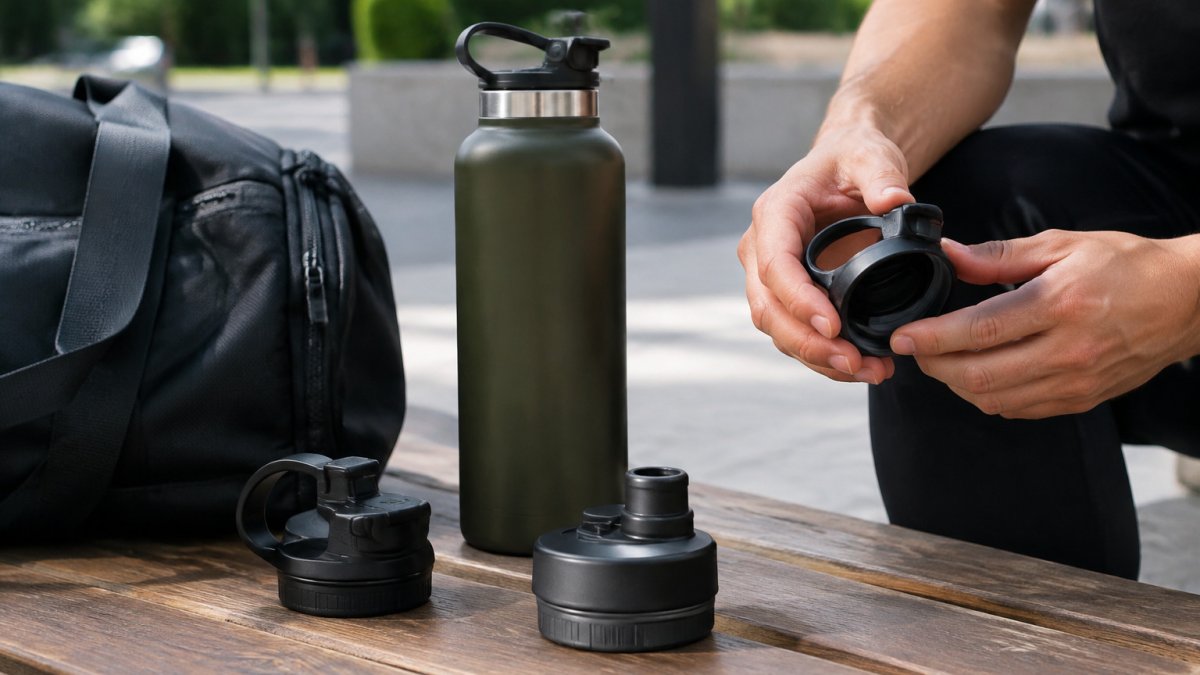
A dedicated phone holder for the gym attaches to equipment, benches, or racks, keeping your device accessible and visible without holding it. Learn what to know about magnetic gym gear safety before choosing a magnetic mount option. The right one depends on your phone's size, your workout type, and how much setup you'll tolerate.
CNET
Match the Holder to Your Phone Size
Phones aren't one-size-fits-all: a holder that grips an iPhone SE (about 5.4 inches tall) won't securely clamp an iPhone 16 Pro Max or Galaxy S24 Ultra (roughly 6.8-6.9 inches tall and heavier). Check three specs:
Clamp or cradle width: Look for a holder rated for your phone's width plus case. A bulky OtterBox or MagSafe case can add 0.1-0.2 inches on each side.
Weight rating: Pro Max-class phones with a case can approach 250 grams (iPhone 18 Pro and 18 Pro Max - Technical Specifications). Cheap spring clamps sag under that weight, especially when mounted vertically.
Case compatibility: Magnetic mounts (MagSafe-style) need a magnet-safe case or a metal plate. Clamp mounts need flat side edges, curved-edge cases can slip.
A common pattern among frequent gym-goers: if you carry a Pro Max or Ultra phone, choose a clamp-style holder with a locking screw rather than a spring-only clamp, and mount it horizontally to reduce leverage on the grip.
Types of Gym Phone Holders and Where They Work
Rack-mounted holders: Clamp to power racks or squat stands. Best for recording lifts and reviewing form between sets. Check that the clamp opens wide enough for your rack's upright (many are 2x2 or 3x3 inches).
Bench-mounted holders: Clip to bench frames or slide under the pad. Useful for dumbbell work and bench press, but verify the holder won't interfere with your grip or the barbell path.
Cardio-machine holders: Many treadmills, ellipticals, and bikes have built-in trays or clip zones. These are convenient but often too shallow for a large phone in a case, a silicone grip pad or a small strap can prevent slide-out during incline running.
Hygiene and Sweat Protection
Holders themselves collect sweat, chalk, and dust. Wipe the clamp and cradle with an alcohol-free electronics wipe after each session, and avoid leaving your phone near a fan or open window where chalk dust settles. Hard plastic or silicone cradles are easier to keep clean than fabric-lined ones, which are rarely washable.
Bluetooth Range and Practical Limits
Bluetooth range is typically around 30 feet in open space but drops sharply through walls, racks, and bodies. A rack holder keeps your phone close, but if you move to a different machine, test the connection first, dropouts mid-set are a common frustration.
Pros and Cons of Gym Phone Holders
Pros:
Phone stays visible and accessible
Great for recording form and technique
Hands-free during exercises
Cons:
Phone exposed to sweat and dust
Requires compatible equipment and phone size
Takes setup time before workouts
For athletes focused on form analysis, a rack- or bench-mounted holder is ideal. Match it to your phone's dimensions and clean it regularly, those two habits separate a useful tool from a frustrating accessory.
Method 3: Phone Armband for Running and Cardio
An armband wraps around your upper arm or forearm, holding your phone securely during running, cycling, or interval training while your hands stay free.
Armbands work best for runners and cardio enthusiasts who need music, fitness tracking, or emergency contact access, holding the phone snugly through high-intensity movement.
Pros and Cons of Armbands
Pros:
Hands-free and secure
Perfect for running and cardio
Allows music and app access
Cons:
Can feel uncomfortable for some users
Sweat exposure shortens phone lifespan
Limited to cardio-focused workouts
Method 4: Running Belt for Phone Storage During Cardio
A running belt sits around your waist, holding your phone in a small pouch with pockets for keys and ID. It distributes weight evenly and keeps your hands free during cardio.
Running belts work for all cardio, treadmill, outdoor running, stair climbing, and rowing, keeping your phone secure and accessible.
Pros and Cons of Running Belts
Pros:
Secure fit around waist
Multiple storage pockets
Hands completely free
Cons:
Can feel restrictive for some users
Bouncing sensation at high speeds
Sweat exposure in pouch
Many distance runners and HIIT enthusiasts use belts because they keep essentials organized without interrupting training flow.
Method 5: Gym Phone Mount for Recording Workouts and Form Analysis
A gym phone mount attaches your device to equipment so you can record lifts and analyze form. But recording well is a skill: angle, phone size, lighting, and where you store the phone when you're not recording all affect whether the footage is useful.

Setting Up the Mount for Usable Footage
Height: Chest to hip height captures most barbell lifts without distortion. Mounting too high (eye level) foreshortens the bar path; too low hides foot position.
Distance: 6-10 feet back gives a full-body frame for squats and deadlifts. Closer is fine for bench and overhead press but crops the bar path.
Angle: A slight side angle (15-30 degrees off straight-on) reveals depth and bar path better than a pure front or side view.
Phone Size and Mount Compatibility
The same size rules apply, with one addition: recording drains battery and generates heat, and large phones in thick cases can overheat in a closed clamp. Remove the case for long sessions and check the mount's weight rating, a 250-gram phone plus case can exceed lightweight tripod head limits.
Bluetooth Range: Mount vs. Locker vs. Floor
If you're using wireless earbuds while recording, keep the phone within about 30 feet in open space, racks, mirrors, and bodies cut that range. A rack mount keeps audio stable; a locker across the gym may drop connection. A phone on the floor is close enough for Bluetooth but exposed to kicks, dropped plates, and theft.
Security Habits for Recording Sessions
A mounted phone is visible and unattended between sets. Common-sense habits reduce risk:
Record on a mount you can see from your working position.
Avoid leaving the phone mounted while you move to another area of the gym.
If your gym has lockers, use them for the phone when you're not actively recording, and rely on a mount only during the sets you need.
Pros and Cons of Mounting Systems
Pros:
Stable recording during heavy lifts
Adjustable angle for form analysis
Hands completely free
Cons:
Requires compatible equipment
Setup time before each session
Phone exposed to gym environment and heat
For competitive lifters serious about form analysis, a mount is essential: recording lets you spot technical issues, track progress, and share videos with coaches. Set the angle, match the mount to your phone, and keep the device secure when you're not filming.
Method 6: Keep Your Phone in Your Gym Bag
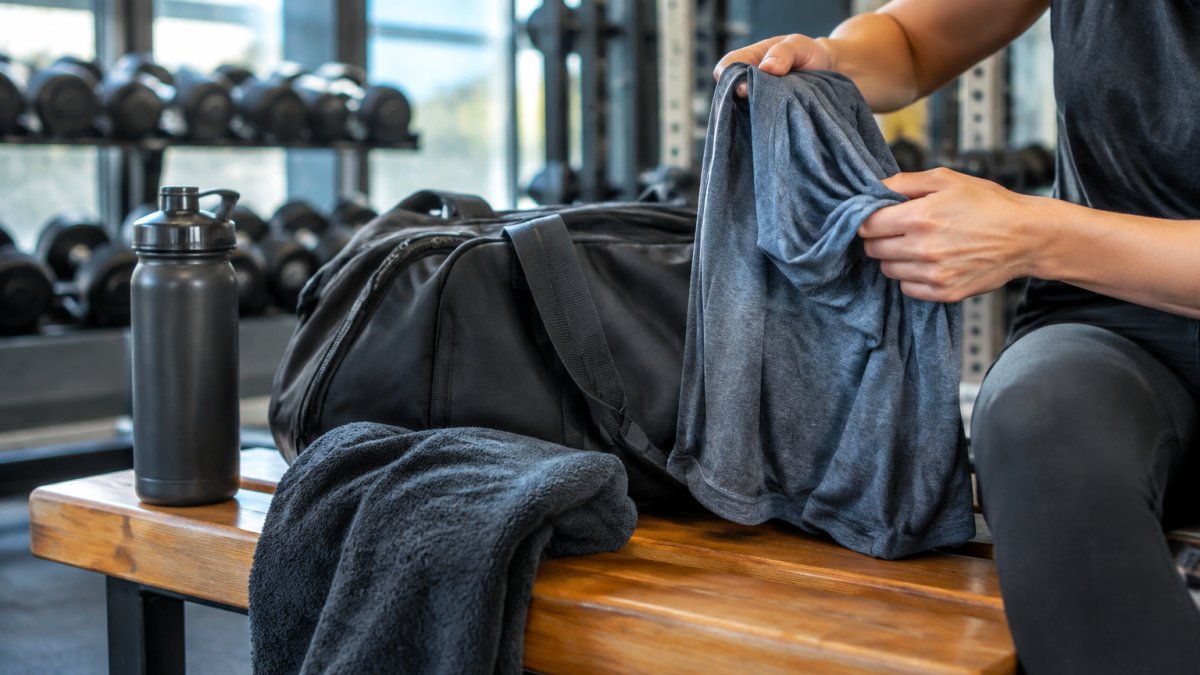
Storing your phone in your gym bag keeps it nearby but out of sight, balancing security with accessibility.
A quality gym bag with compartments keeps your phone separate from sweat-soaked clothes, preventing moisture damage.
Pros and Cons of Bag Storage
Pros:
Phone protected from sweat and damage
Out of sight, reducing theft risk
Keeps gym floor clear
Cons:
Phone not immediately accessible
Must leave equipment to check it
Bag takes up space on gym floor
The Snap Training Bag solves this perfectly, it attaches securely to gym machines with a magnetic system, keeping your phone and essentials off the floor while staying within reach. This method combines bag storage benefits with better accessibility and gym floor hygiene.
For more details on choosing the right gym bag for phone storage, check out our guide on best gym bag for powerlifting gear.
Gym Etiquette and Phone Usage During Your Workout
Deciding where to put phone during workout connects directly to gym etiquette.
Consider your gym's culture: competitive powerlifting gyms expect phones to support training, while commercial gyms are more casual.
Keep your phone on silent mode during workouts. This reduces notifications and temptation to check it.
Your phone placement choice affects your entire workout experience.
Get started with HYPE Fit Gear's Snap Training Bag.
Frequently Asked Questions
Where should I keep my phone while lifting weights?
The best location depends on your workout type and gym setup. For powerlifting and heavy lifting, use a secure gym locker to keep your phone completely off the gym floor and away from distractions. If you need your phone for recording form, mount it on a stable piece of equipment or use a gym phone mount for recording workouts. For cardio, an armband or running belt keeps your phone accessible while your hands remain free. Avoid keeping your phone in your pocket during weightlifting, it can shift during heavy lifts and damage the device or affect your balance.
Can I keep my phone in my pocket during a workout?
While possible, keeping your phone in your pocket during workouts creates several problems. Your phone can slip out, crack on the gym floor, or get damaged by sweat. Pockets also create bulges that affect your movement, balance, and form, especially during compound lifts like squats and deadlifts. For cardio, bouncing impacts your comfort and workout intensity. The best phone holder for working out keeps your device secure without the downsides of pocket storage.
How do I keep my phone safe from sweat during a workout?
Sweat-resistant storage is essential for device protection. Use a waterproof pouch or protective case designed for gym use. Store your phone in a gym bag away from direct sweat exposure, or use a sweat-resistant armband if you need it during cardio. Keep your phone off the gym floor, moisture, dirt, and bacteria accumulate there. For running, a running belt for phone often includes moisture-wicking materials. After your session, wipe down your phone and allow it to dry completely. Avoid leaving it in a damp gym bag for extended periods.
What's the best way to carry a phone while running without it bouncing?
A phone armband for running or a running belt for phone are your best options for bounce-free cardio. Armbands wrap securely around your bicep with the phone held snugly against your arm, minimizing movement. Running belts distribute weight across your waist with a dedicated phone pouch, providing stability and keeping your hands free. Both options prevent the phone from shifting during high-impact activities like HIIT or sprinting. Choose based on comfort preference, some athletes prefer the arm placement, while others find waist-mounted storage more balanced during intense training.
GET THE GEAR
Add hypefitgear.com as a preferred source on Google →
Comments